Faster, Safer, Smarter: Digital Payment Advantages for Modern Schools
Faster, Safer, Smarter: Digital Payment Advantages for Modern Schools
Digital payment systems are transforming how modern schools manage fees and finances. By replacing cash and manual processes, schools can collect payments faster, reduce errors, and save valuable administrative time. Transactions are processed instantly, improving cash flow and making record-keeping effortless.
These systems are also safer, minimizing the risks associated with handling cash while ensuring secure, transparent transactions for parents and school administrators. With features like automated receipts and real-time tracking, trust and accountability are strengthened.
Most importantly, digital payments are smarter. They offer detailed insights, easy reporting, and seamless integration with school management platforms like Schezy. This allows schools to focus less on paperwork and more on delivering quality education—creating a smoother experience for administrators, parents, and students alike.
Faster, Safer, Smarter: Digital Payment Advantages for Modern Schools
This post explains why digital payments are no longer optional for modern schools. I’ll walk through the practical advantages—speed, security, and smarter operations—offer implementation advice, point out common mistakes, and explain what to look for in a school payment platform. If you’re responsible for finance, operations, or the big picture at a school, you’ll find actionable takeaways and real-world tips to start moving toward cashless fee collection today.
Why schools are moving to digital fee collection
- Faster processing: Payments clear instantly or within hours, not days.
- Fewer errors: Automated reconciliation reduces manual entry mistakes.
- Better parent experience: Online portals, mobile payments, and auto-receipts are handy.
- Safer operations: Less cash on site means lower theft risk and simpler audits.
- Smarter management: Real-time dashboards and reports make decision-making easier.
In my experience, schools that adopt online school fee payment and an integrated school management system see immediate wins—less time spent hunting down bounced checks, fewer lost receipts, and a measurable drop in late payments because reminders are automated.
Faster: speed that changes day-to-day operations
Consider a simple scenario: fee collections arrive as cash and checks, sit on a desk for days, and then one administrator spends half a day entering payments into an accounting system. That’s expensive labor time and high risk for mistakes. With digital fee collection, payments post directly to student accounts and the accounting ledger. Reconciliation becomes a click, not a slog.
Here's what faster looks like in practice:
- Immediate payment confirmation to parents via SMS/email.
- Auto-updated student ledger and outstanding balances.
- Reduced manual posting—your finance team can focus on analysis, not data entry.
- Quicker refunds and adjustments when needed.
I've seen schools cut down fee reconciliation time by 40–60% after switching to a good school fee management software. That time saves translates into better capacity for budgeting, forecasting, and improving parent engagement.
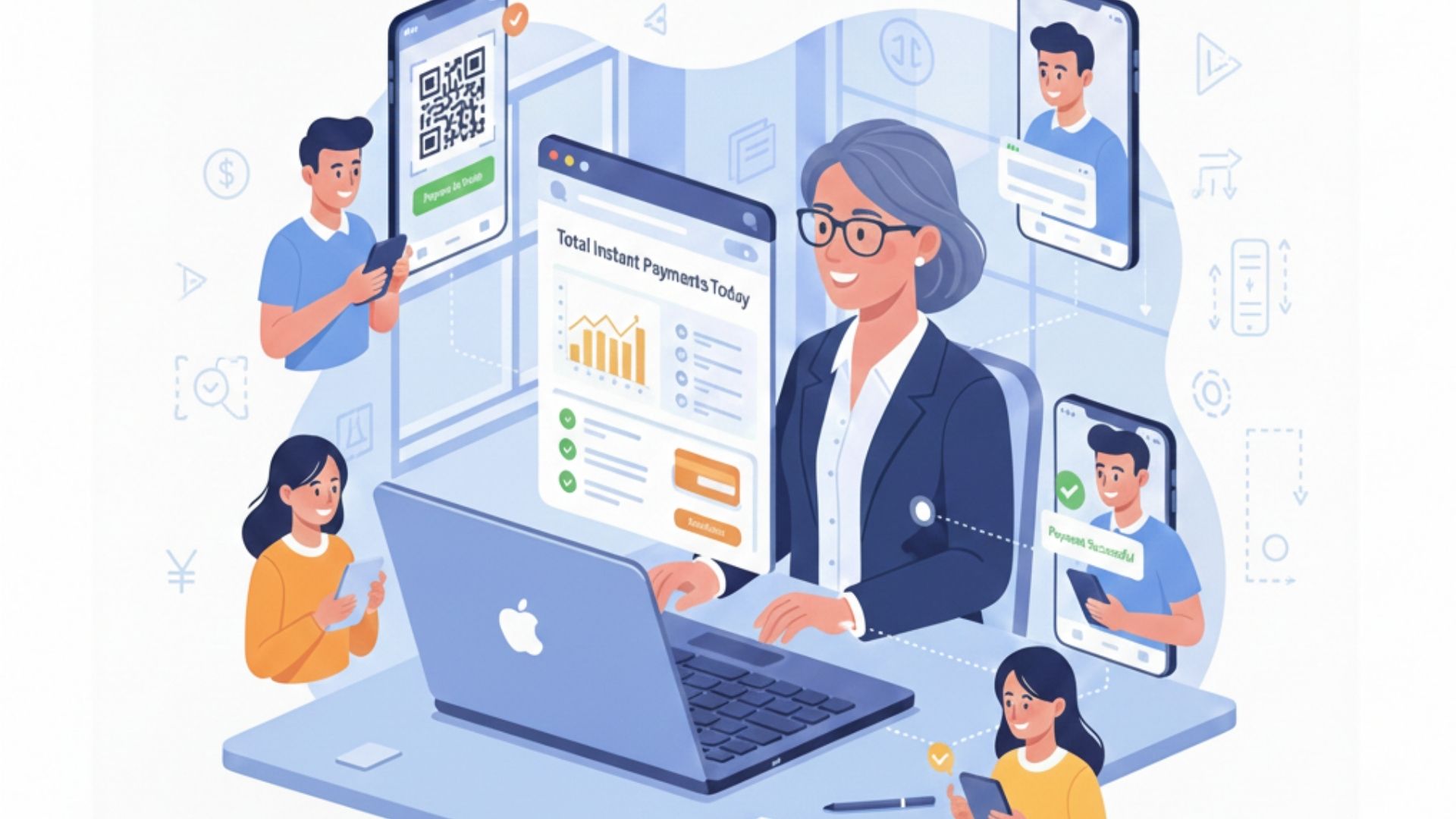
Safer: reducing fraud, theft, and audit headaches
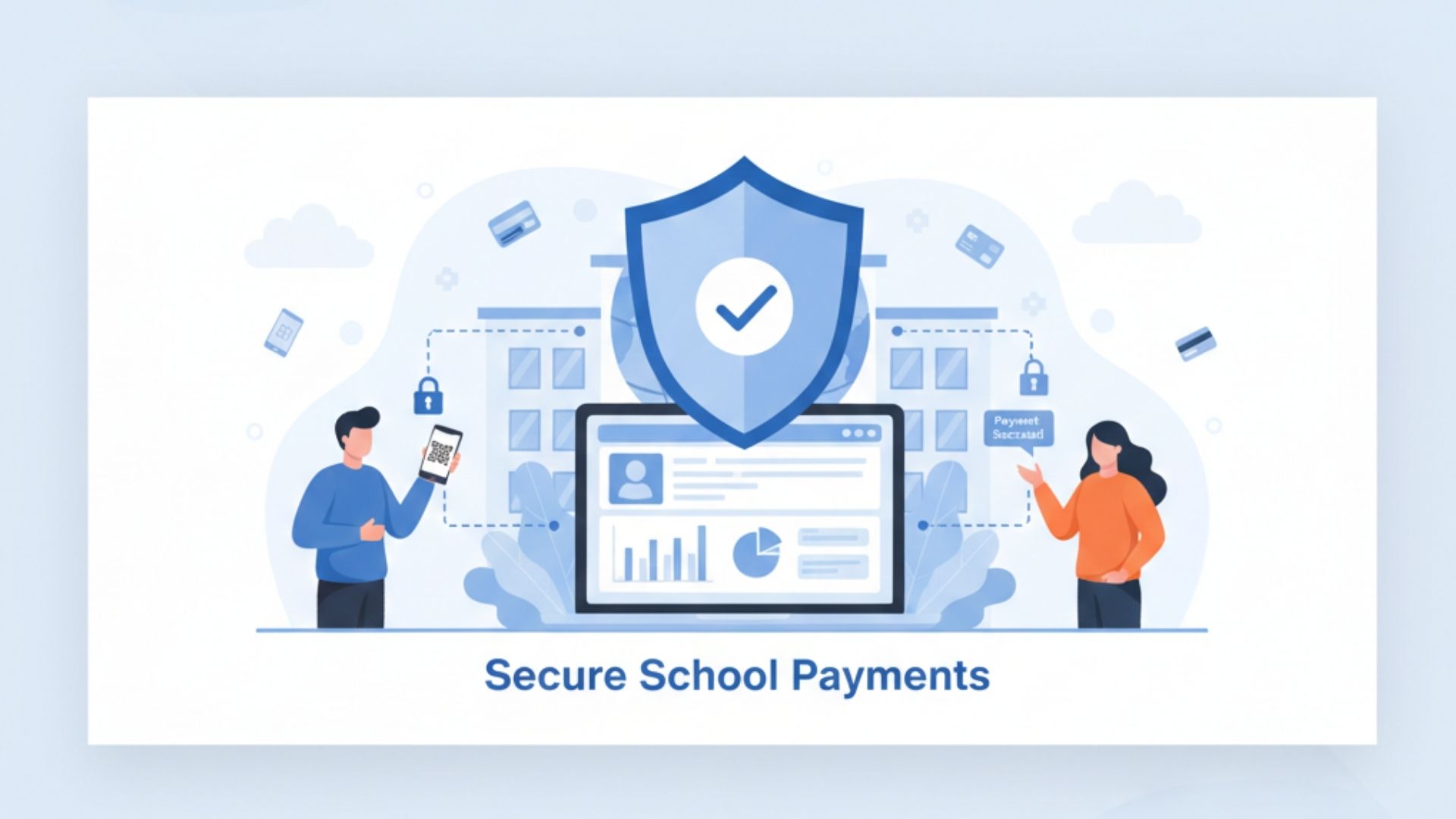
Key safety benefits include:
- Secure payment channels with encryption and tokenization.
- Audit-ready transaction logs with timestamps, reference numbers, and payer details.
- Role-based access so only approved staff can issue refunds or make ledger changes.
- PCI DSS compliance and partnership with trusted payment gateways.
One pitfall I see often: schools rely on spreadsheets for tracking and don’t enforce user permissions. That’s a recipe for lost entries, untracked refunds, and audit surprises. A proper digital fee solution enforces controls and preserves a clear trail for auditors and regulators.
Smarter: how digital payments improve decision-making
Instead of wondering which families are behind on fees, you can run reports that show outstanding balances by class, grade, or fee type. Instead of guessing next year's fee structure, you can analyze payment behavior to design installment plans that improve collections.
Here’s how smarter payment systems help:
- Real-time dashboards for fee collection, outstanding amounts, and payment trends.
- Automated reminders and notifications that reduce delinquency.
- Custom reports for management, trustees, and auditors.
- Segmentation of parents for targeted communication—installment options, scholarship updates, or fee reminders.
I've run sessions with administrators where we used reports from a school management system to design a tailored installment plan. The result? Better cash flow and a 15–25% reduction in late payments within a year.
What types of school payments should go digital?
Prioritizing helps manage change. Begin with tuition and recurring payments—those make the biggest operational difference—then roll out one-off payments for trips and events.
- Recurring fees: tuition, monthly charges, lab fees, examination fees.
- Operational payments: transport, cafeteria, uniforms.
- Event or ad-hoc payments: trips, fundraisers, club fees.
- Vendor and payroll disbursements (if your system supports outflows).
When you move these payment types online, the ripple effects are significant: fewer cash handling errors, a smoother parent experience, and simplified bookkeeping.
Practical benefits for administrators and finance teams
- Less time processing receipts and reconciling accounts.
- Improved accuracy in financial records and faster audit preparation.
- Reduced risk of embezzlement or misallocation of funds.
- Predictable cash flow from scheduled, recurring payments.
- Cleaner communication with parents—automated receipts and balance statements.
One CFO I worked with told me that replacing manual collections cut bank deposit trips from three times a week to once a month—because electronic collections are consolidated and traceable. That’s not just time saved. It reduces exposure and strengthens internal controls.
Parent experience: convenience matters
Good digital payment systems give parents:
- Multiple payment options: cards, UPI, net-banking, and mobile wallets.
- Clear invoices and instant receipts.
- Installment and EMI options where applicable.
- Self-service portals to view history and download receipts for tax or reimbursement purposes.
When parents can pay from their phones and automatically receive receipts, satisfaction goes up and queries to the office go down. Fewer phone calls, fewer paper forms, and fewer arguments about whether a payment was received.
Payments should be part of your broader school ecosystem—not a stand-alone tool. Integration matters. It’s what turns payments into actionable data.
Essentials for integration:
- Sync student profiles with payment records automatically.
- Push payment data into your accounting package for clean ledgers.
- Integrate with communication tools so receipts and reminders can be sent automatically.
- Support for single sign-on (SSO) so staff and parents don’t juggle multiple logins.
A frequent oversight is picking a payment processing system that can’t talk to the existing school management system. That creates duplicate work and undermines the whole point of digital payments. Choose a solution with open APIs or pre-built connectors.
Security and compliance: what to check
When evaluating a provider, look for:
- PCI DSS compliance for card processing.
- End-to-end encryption and tokenization of card data.
- Two-factor authentication for administrative access.
- Data residency options if local regulations require it.
- Clear policies for refunds, chargebacks, and dispute resolution.
I've seen schools ignore small security red flags—like unclear data storage practices—only to face headaches during audits. Ask lots of questions and insist on clear documentation.
Cost considerations and ROI
Costs usually break down into setup fees, per-transaction fees, and monthly platform or gateway fees. Some platforms offer bundled pricing while others are a la carte.
To estimate ROI, consider both hard and soft savings:
- Hard savings: reduced bank deposits, fewer manual entries, lower cash handling costs.
- Soft savings: less time lost to queries, faster decision-making from better reports, fewer audit headaches.
Most schools realize the system pays for itself within 12–24 months, especially when you factor in reduced labor and fewer banking errors. A simple break-even exercise: calculate staff hours spent on collections and reconciliation each month, multiply by hourly cost, and compare that to the total fees of the digital solution.
Change management: getting staff and parents on board
- Start small. Pilot with one class or fee type. Learn from the pilot and iterate.
- Provide training sessions for finance staff and front-office teams. Hands-on workshops work best.
- Communicate early to parents. Use email, SMS, and your website to explain the benefits and the “how-to.”
- Offer support channels: a dedicated helpline, step-by-step guides, and in-person help for the first few weeks.
- Be transparent about fees and timelines for refunds. That builds trust fast.
One common mistake is expecting 100% adoption overnight. It doesn’t happen. Adoption ramps up as parents experience the convenience and staff get comfortable with the system.
Common pitfalls and how to avoid them
- Pitfall: Choosing a solution based solely on price.
Fix: Balance cost with features, integrations, and support. The cheapest option often costs more in labor and headaches. - Pitfall: Poor communication with parents about changes.
Fix: Provide clear, repeated messages and set up support desks during rollout. - Pitfall: Not planning for exceptions (scholarships, installment disputes).
Fix: Ensure the system supports manual adjustments with audit trails. - Pitfall: Ignoring reconciliation workflows.
Fix: Define a reconciliation process before going live and test with real transactions. - Pitfall: Lack of role-based access controls.
Fix: Define roles and permissions to protect sensitive operations.
A little planning here will save weeks of disruption later.
What to look for in a school payment solution
- Seamless integration with your school management system and accounting software.
- Multi-channel payment acceptance (cards, UPI, net-banking, wallets).
- Automated receipts, fee reminders, and chargeback handling.
- Detailed reports and exportable ledgers for auditors.
- Role-based access control, two-step approvals, and audit logs.
- Strong customer support with onboarding assistance and training.
- Configurable fee structures—installments, concessions, late fees.
From experience, the winner is usually a platform that balances ease of use for parents and power for administrators—plus reliable support when you need it.
How Schezy supports cashless schools
Here’s what makes Schezy practical for schools:
- Direct integration with student profiles: payments map to ledgers automatically.
- Multiple payment methods so parents can choose what works for them.
- Automated invoicing, reminders, and receipt generation to reduce queries.
- Robust reporting for management, trustees, and auditors.
- Role-based permissions and secure payment processing that aligns with compliance needs.
In my work with schools, platforms like Schezy make implementation straightforward because they focus on common school workflows—installments, concessions, sibling discounts, transport fees, and event payments. That domain focus removes the guesswork and speeds up onboarding.
Step-by-step implementation checklist
- Define objectives. Are you reducing cash handling, improving parent experience, or speeding reconciliation?
- Audit current fee structures and identify payment types to move online first.
- Choose a vendor that integrates with your existing school management system or offers import/export tools.
- Plan pilot rollout: one grade or the highest-volume fee type.
- Train staff and prepare parent communication materials.
- Run the pilot, collect feedback, and adjust workflows.
- Go full roll-out with support channels in place and metrics to measure success.
- Review and optimize monthly—tweak reminders, fee structures, and reconciliation rules.
Keep stakeholders involved—finance, front office, and IT—and schedule regular check-ins in the first three months. Iteration beats perfection.
Measuring success: KPIs that matter
- Time spent on reconciliation (hours per month).
- Percentage of fees collected on time (before and after).
- Number of parent payment queries per month.
- Refund and chargeback incidents.
- Adoption rate among parents (percentage using online payments).
- Cost per transaction including manpower.
Monitor these for the first 6–12 months. You’ll spot opportunities—maybe tweak reminder cadences or change installment offerings based on data.
Real-world examples and quick wins
- A mid-sized school moved tuition payments online and reduced monthly reconciliation from 20 hours to 8 hours. The finance team used the recovered time to improve monthly forecasting.
- A school introduced digital payments for bus fees and saw a 30% increase in timely payments simply by offering installment options and automated reminders.
- During a fee audit, an institution with digital records produced complete transaction histories within minutes—no manual digging through physical receipts.
These are the kinds of quick wins you should expect when you plan carefully and pick the right vendor.
Frequently asked questions
A: Most will, especially younger and busier parents. Provide multiple channels and clear instructions, and adoption will grow. Keep a brief period where both cash and digital options are available to ease transition.
Q: What about transaction charges?
A: Transaction fees are common. Some schools absorb them; others pass a portion to parents. Be transparent about any charges and consider negotiating bulk rates with providers.
Q: Can we still process scholarships and concessions?
A: Yes. Good systems support manual adjustments, concession codes, and scholarship entries with audit trails.
Q: How do refunds work?
A: Refund policies vary by provider. A robust platform supports automated refunds with traceable reversal entries and clear communication for parents.
Read more...
How Biometric Attendance Software Transforms School Operations
From Spreadsheets to Smart DB: Modernizing Your Student Management Database
Final thoughts: digital payments are a strategic move
If you’re still relying on cash and paper, start with a pilot. Keep expectations realistic and focus on integration and communication. Don’t let price alone drive your decision—pick a partner that understands school workflows (fees, installments, discounts), provides secure school payments, and offers responsive support.
If you want a practical, school-focused solution that integrates with your school management system and makes fee collection simpler and safer, take a look at Schezy.
Helpful Links & Next Steps
Ready to see it in action? Book a free demo with schezy and get a guided tour of how digital fee collection can transform your school's operations.